







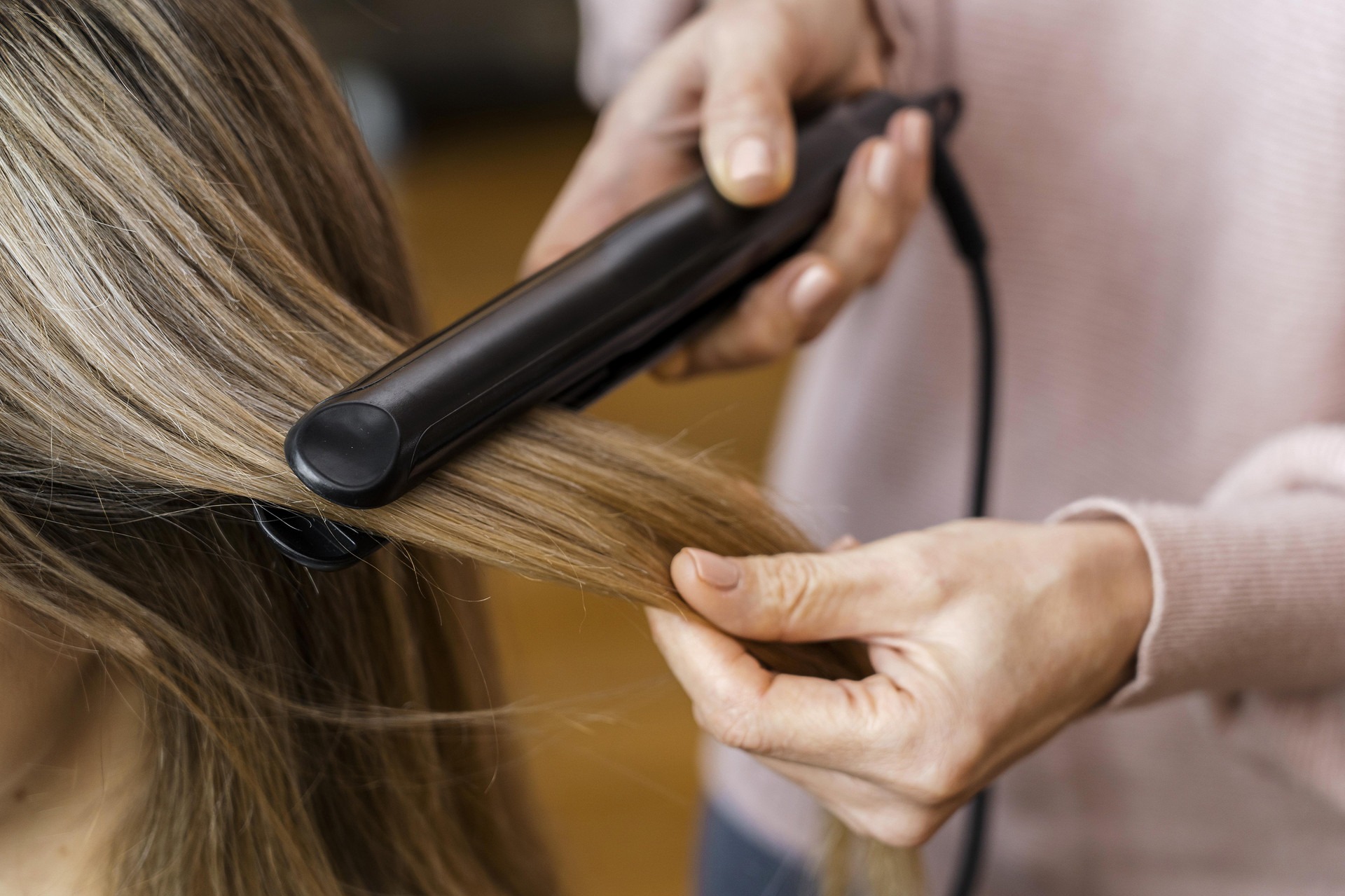
Colorado Governor signed HB26-1135 which prohibits in-state sale and distribution of covered hair products with intentionally added carcinogens or reproductive toxicants effective July 1, 2027.
Colorado Governor signed HB26-1135 which prohibits in-state sale and distribution of covered hair products with intentionally added carcinogens or reproductive toxicants effective July 1, 2027.

US FDA marks two major cosmetic rules (banning formaldehyde releasers in hair straighteners and mandating fragrance allergen labeling) for NPRM issuance in 2026.
On January 12, 2026, the New Jersey Senate has passed Bill S1221, officially titled the Protecting Against Forever Chemicals Act, which introduces a ban on the sale of cosmetic products containing intentionally added per- and polyfluoroalkyl substances (PFAS), effective in 2028.
On February 11, 2025, the United States notified a cosmetic-related measure (G/TBT/N/USA/2187) restricting the intentional addition of formaldehyde and formaldehyde releasers in cosmetics. The deadline for public comments is April 11, 2025. If approved, the restriction will take effect on January 1, 2027.
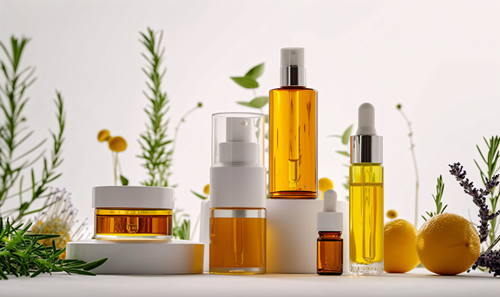
In 2024, CIRS Group helped enterprises successfully apply for various types of International Nomenclature of Cosmetic Ingredients (INCI) names, including peptides, chemical synthesis-based ingredients, and more.
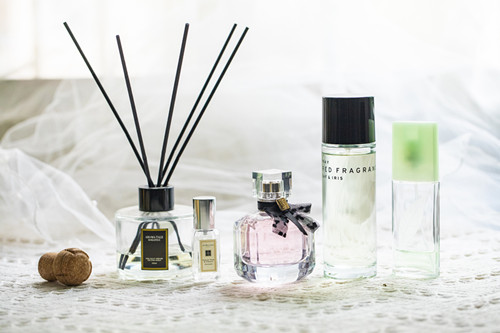
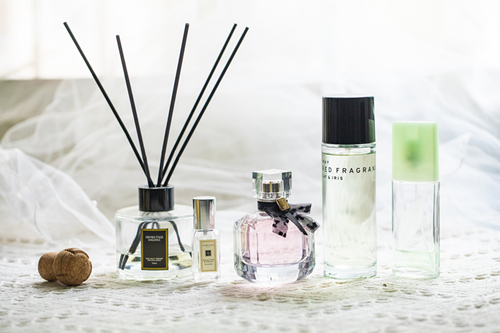
According to FDA regulations, if a product is intended to be applied to a person’s body to make the person more attractive, it’s a cosmetic under the law, for instance perfumes, colognes and aftershave should all be regulated as cosmetics. However, some products add fragrances for therapeutic purposes, such as aromatherapy products that could relieve muscle pain or headaches, and fragrance products that help sleep. These kind of fragrance products are generally regulated as pharmaceuticals. Other products that may contain fragrance ingredients, but are not applied to the body, including detergent, fabric softener and carpet freshenerare, are under the administration of the Consumer Product Safety Commission.

In December 2022, Hochul, governor of New York State, signed an amendment to the Environmental Protection Act (A8630A) to prohibit the use of 1,4-dioxane or mercury in cosmetics and personal care products. The bill will come into effect on June 1, 2023. From the effective date, cosmetics or personal care products containing 1,4-dioxane or mercury must not be sold in New York State.