






Global
Network
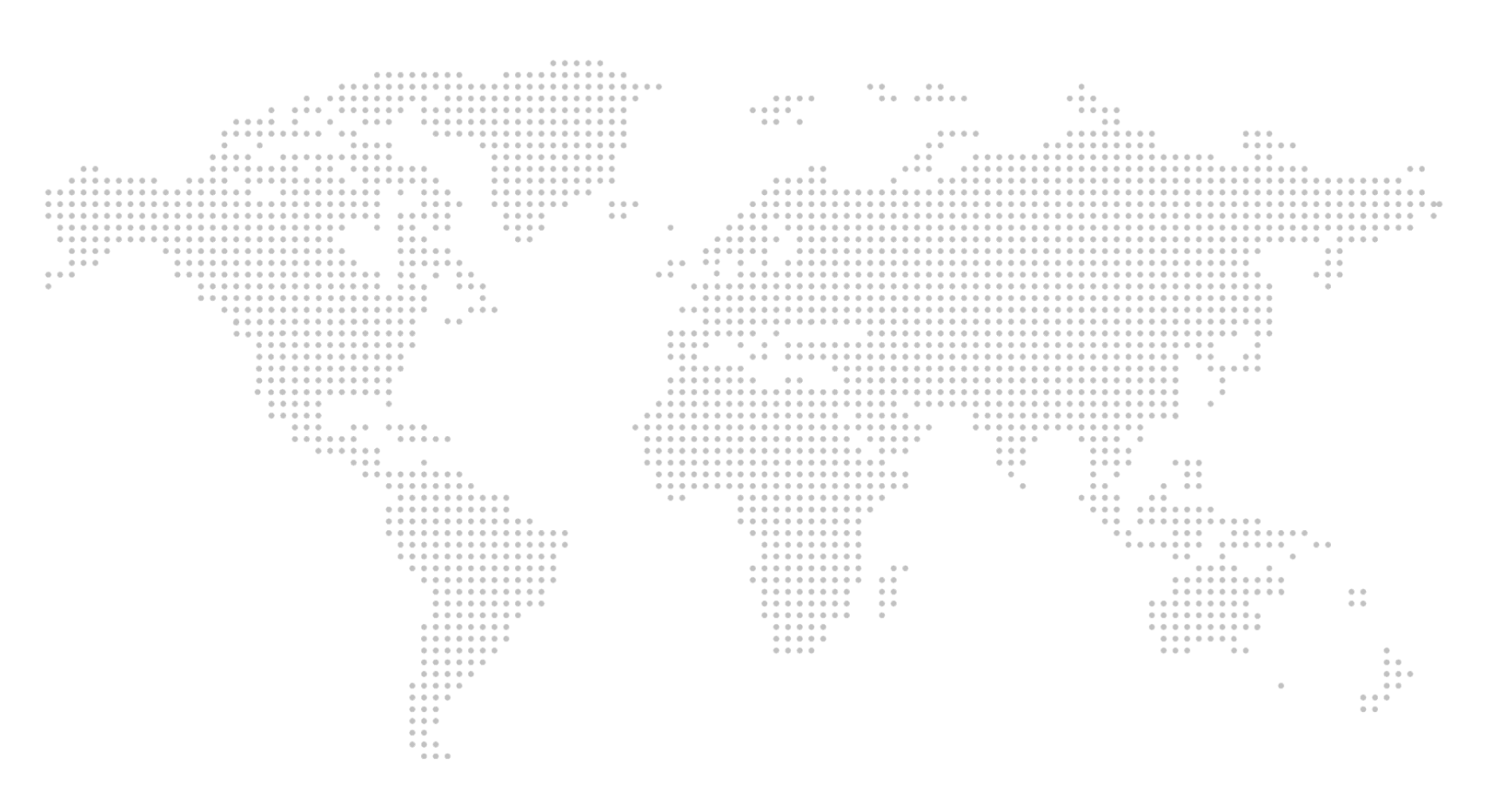
Subsidiaries in major cosmetic markets, supporting regulatory compliance in China, South Korea, the EU, the UK, the US, and beyond.

Expert guidance on global cosmetic regulations and compliance.
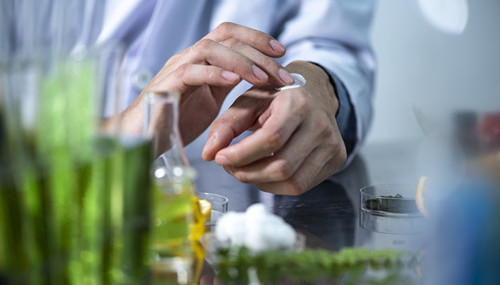
Scientific validation for cosmetic product performance claims
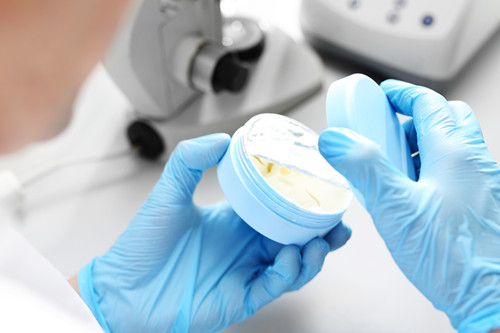
Ensuring product safety through rigorous clinical and laboratory evaluations.
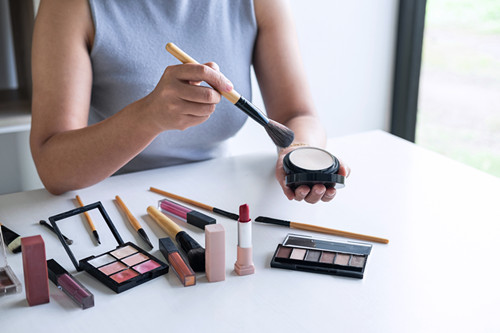
In-depth insights into cosmetic consumer perception and sensorial properties of cosmetic products.

Rigorous quality assurance for manufacturing and supply chains

Detailed insights into our case studies
Subsidiaries in major cosmetic markets, supporting regulatory compliance in China, South Korea, the EU, the UK, the US, and beyond.


Our highly qualified scientists, toxicologists, and regulatory specialists are supported by CMA & CNAS-accredited laboratories, operating to ISO 17025 & 17020 standards.


Thousands of successful cosmetic testing and regulatory compliance projects delivered for global brands.


End-to-end cosmetic testing and regulatory consulting services, from assessment to reporting.


 CIRS Europe
 CIRS UK
 Unit 1e, Bromsgrove House, 88 Bromsgrove Street, Birmingham, England, B5 6AJ
 CIRS Japan
Alpha Park 510, Tsukiji AIU Building 5F, 2-3-7 Irifune, Chuo-ku, Tokyo, Japan
CIRS Japan
Alpha Park 510, Tsukiji AIU Building 5F, 2-3-7 Irifune, Chuo-ku, Tokyo, Japan CIRS Korea
 CIRS USA
4250 North Fairfax Drive, Suite 600, Arlington, Virginia, 22203, United States of America
CIRS USA
4250 North Fairfax Drive, Suite 600, Arlington, Virginia, 22203, United States of America CIRS China
11F Building 1, Dongguan Hi-Tech Park, 288 Qiuyi Road, Binjiang District, Hangzhou 310052, China
CIRS China
11F Building 1, Dongguan Hi-Tech Park, 288 Qiuyi Road, Binjiang District, Hangzhou 310052, ChinaYears of Expertise
Global Countries Served
Global Customers Served