









In Part I of this series, we introduced the evaluation methods for dandruff, sebum levels, and itchiness. In this article (Part II), we focus on the evaluation methods for erythema, papules, pustules, and the overall hair status.
In Part I of this series, we introduced the evaluation methods for dandruff, sebum levels, and itchiness. In this article (Part II), we focus on the evaluation methods for erythema, papules, pustules, and the overall hair status.
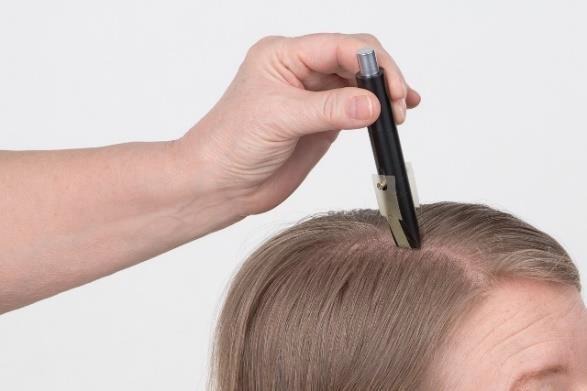
Think of your scalp as an extension of your facial skin—in fact, scalp is the second most sensitive area on your head, just after the eye contour. It's the vital "soil" from which your hair grows, home to more than 100,000 follicles and a rich supply of nerves and blood vessels. Today, with the rising quality of life, people place a greater emphasis on skin care, with (scalp care also encompassed). Since the scalp and hair significantly influence facial and overall aesthetics, the interest in scalp wellness is surging. Consequently, finding effective ways to assess scalp health has become a pressing need.
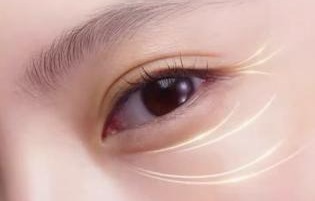
Today, let’s talk about tear trough and lacrimal groove evaluation. Currently, many skin care products claimed that they could mitigate the tear trough and the lacrimal groove. Actually, tear trough and lacrimal groove are two different periorbital issues. Sometimes they conflated, likely because they often coexist.

Two-photon microscopy (TPM), a high-resolution three-dimensional imaging technology based on nonlinear optical effects, has demonstrated significant application potential in the field of cosmetic efficacy evaluation in recent years. Its core advantages lie in its non-invasive, in vivo, in situ, label-free real-time imaging capability, enabling deep observation of dynamic changes in cells and the extracellular matrix within skin tissue. This provides a scientific basis for evaluating the safety and efficacy of cosmetics.