







CIRS Group has compiled and summarized the latest global cosmetics regulatory developments in August 2026.
CIRS Group has compiled and summarized the latest global cosmetics regulatory developments in August 2026.
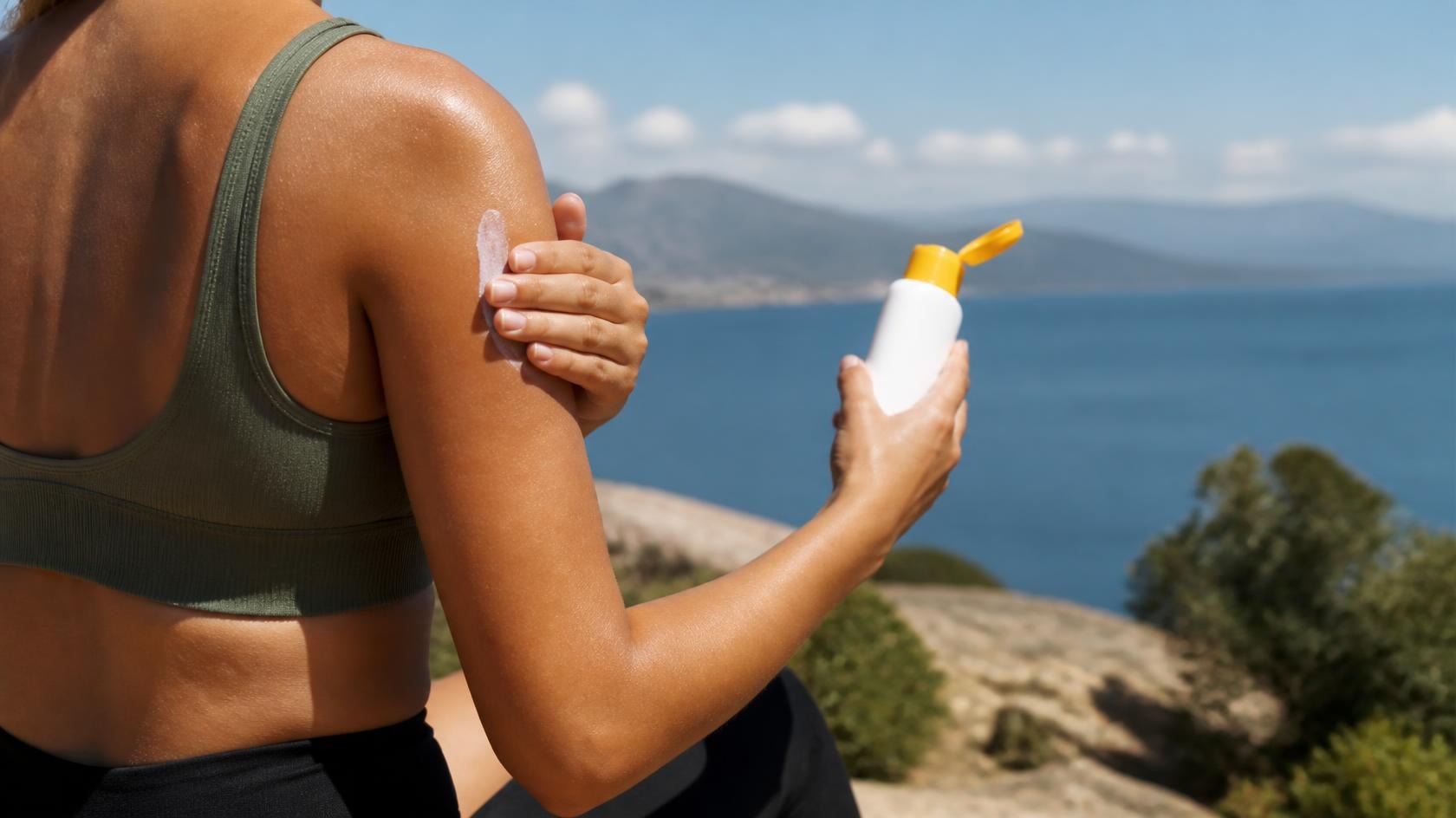
Learn what brands need to know when launching sunscreens in the EU, UK, and China. This practical guide covers sunscreen classification, permitted UV filters, SPF and UVA testing requirements, labeling, and key regulatory differences to help companies plan compliant global sunscreen launches and avoid costly delays.

CIRS Group has compiled and summarised the latest global cosmetic regulatory developments of July 2026.

CIRS Group has categorized the cosmetic regulations that have already taken effect or been implemented in major global markets as of July 31, 2026 (inclusive), for your reference.

CIRS Group has compiled and summarized the latest global cosmetic regulatory developments of June 2026.
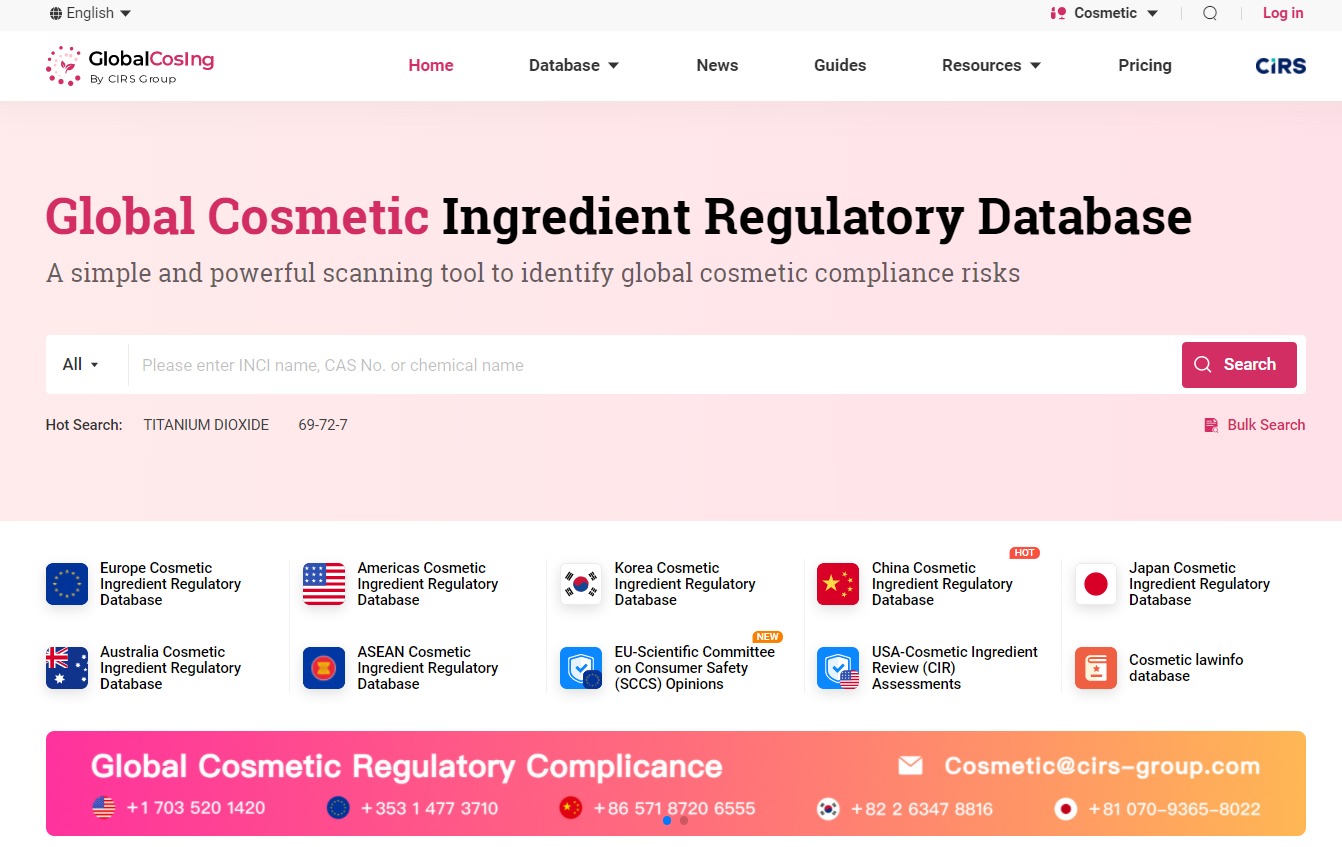
Global CosIng, a leading cosmetic ingredient regulatory data platform developed by CIRS Group, today announced the official launch of Global CosIng 2.0!

Not all cosmetic test reports are created equal: some are rejected by regulators, and some aren’t internationally recognized. Choosing the wrong laboratory can delay your product launch or even block market entry entirely. This article explains the differences between CMA, CNAS, and ISO 17025 accreditation, why they matter for cosmetic testing in China, and how to select the right lab for regulatory compliance.

This article compiles and summarizes the latest developments in cosmetics regulations worldwide as of May 2026.

CIRS Group has compiled and summarized the latest global cosmetics regulatory developments in April 2026, covering industry news, new regulations, policy adjustments, and regulatory trends, helping companies stay compliant and fully informed of the evolving global cosmetics regulatory landscape.

Globally, the regulatory landscape for exosome cosmetics exhibits significant variability. This article systematically reviews the management measures, regulations, and ethical standards concerning exosome cosmetics in various countries/regions, including the United States, the European Union, Japan, South Korea, Taiwan, and mainland China. It explores the context of compliance and prohibitions, as well as their impact on industry development, providing comprehensive global regulatory compliance guidance for cosmetic companies.