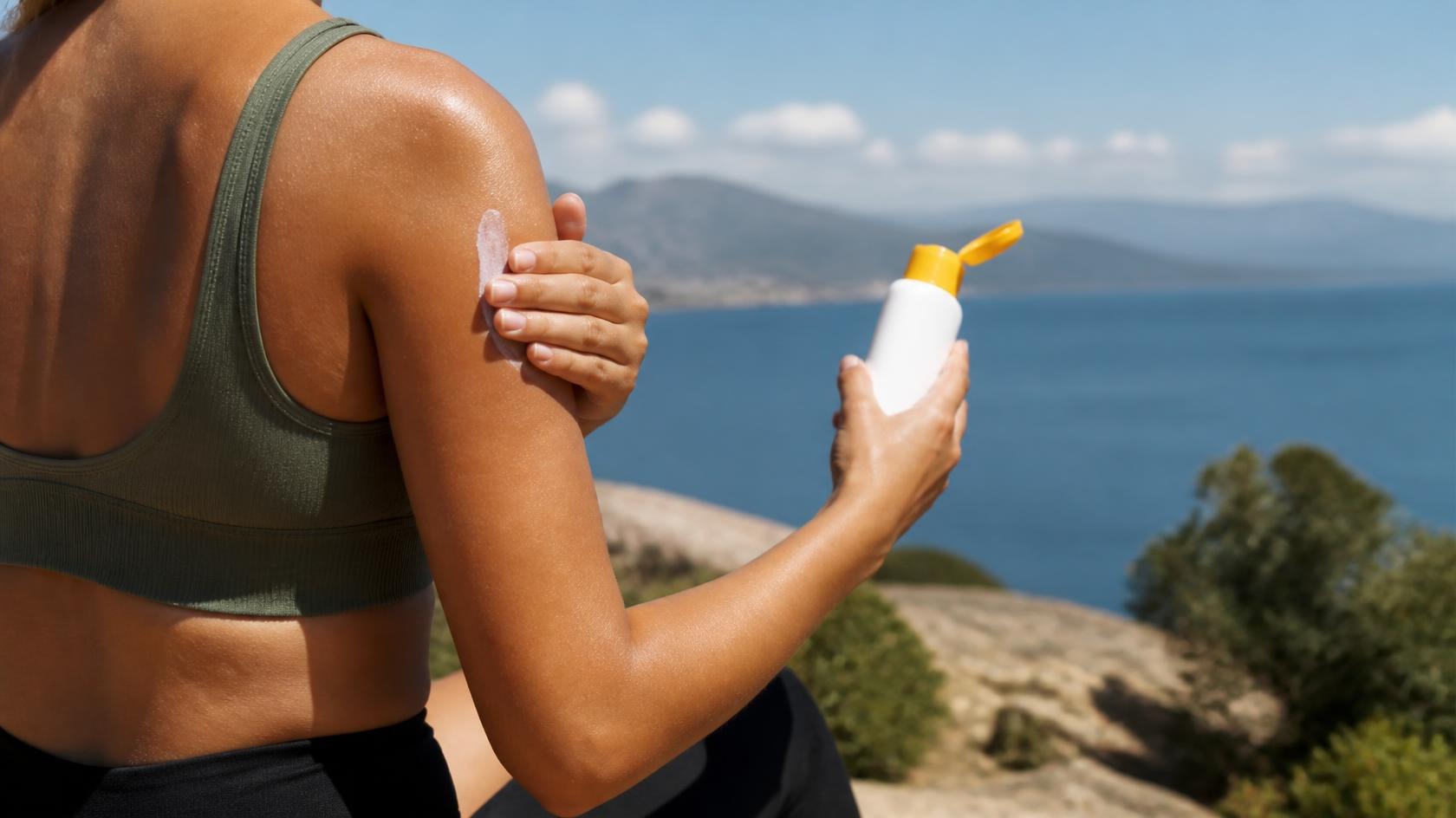
Learn what brands need to know when launching sunscreens in the EU, UK, and China. This practical guide covers sunscreen classification, permitted UV filters, SPF and UVA testing requirements, labeling, and key regulatory differences to help companies plan compliant global sunscreen launches and avoid costly delays.
Cosmetic efficacy testing has become an essential step in developing compliant, evidence-based cosmetic products. Whether launching a new skincare product, validating sunscreen SPF claims, or supporting anti-ageing marketing claims, brands increasingly need scientific evidence to demonstrate that their products deliver the benefits promised on the label.
Consumers today expect greater transparency from cosmetic brands, while regulators worldwide are placing increasing emphasis on ensuring that cosmetic claims are truthful, substantiated, and supported by appropriate evidence. As a result, cosmetic efficacy testing plays a critical role in product development, regulatory compliance, and successful market access.
In China, when conducting risk assessments for cosmetics, all components must be evaluated. Typically, for impurities present at very low levels that lack toxicological data, the Threshold of Toxicological Concern (TTC) method can be used for assessment.
There has been a lot of change in the Chinese cosmetics industry since the new overarching regulation – Cosmetics Supervision Administration Regulation (CSAR) – came into force on January 1, 2021.
To help you keep up-to-date and compliant we have prepared this infographic of the upcoming compliance deadlines.