






On August 6, 2026, China NIFDC publicly solicited comments on nine cosmetic standards invloving eight cosmetic ingredients and one testing method in STSC.
On August 6, 2026, China NIFDC publicly solicited comments on nine cosmetic standards invloving eight cosmetic ingredients and one testing method in STSC.

The Announcement on Matters Concerning Cosmetic Registration and Filing, officially issued on July 29, 2026, puts forward optimization measures covering eight key aspects.

At a Glance: On July 29, 2026, China’s NMPA released new measures optimizing cosmetic registration and filing to enhance efficiency and stimulate industry innovation. Key reforms include exempting market-sale proof for foreign first-launch products, reducing animal testing, shifting ingredient safety files to enterprise archiving, allowing shared safety data for similar formulas, simplifying cross-border site transfers, and expanding flexible efficacy evaluation methods.
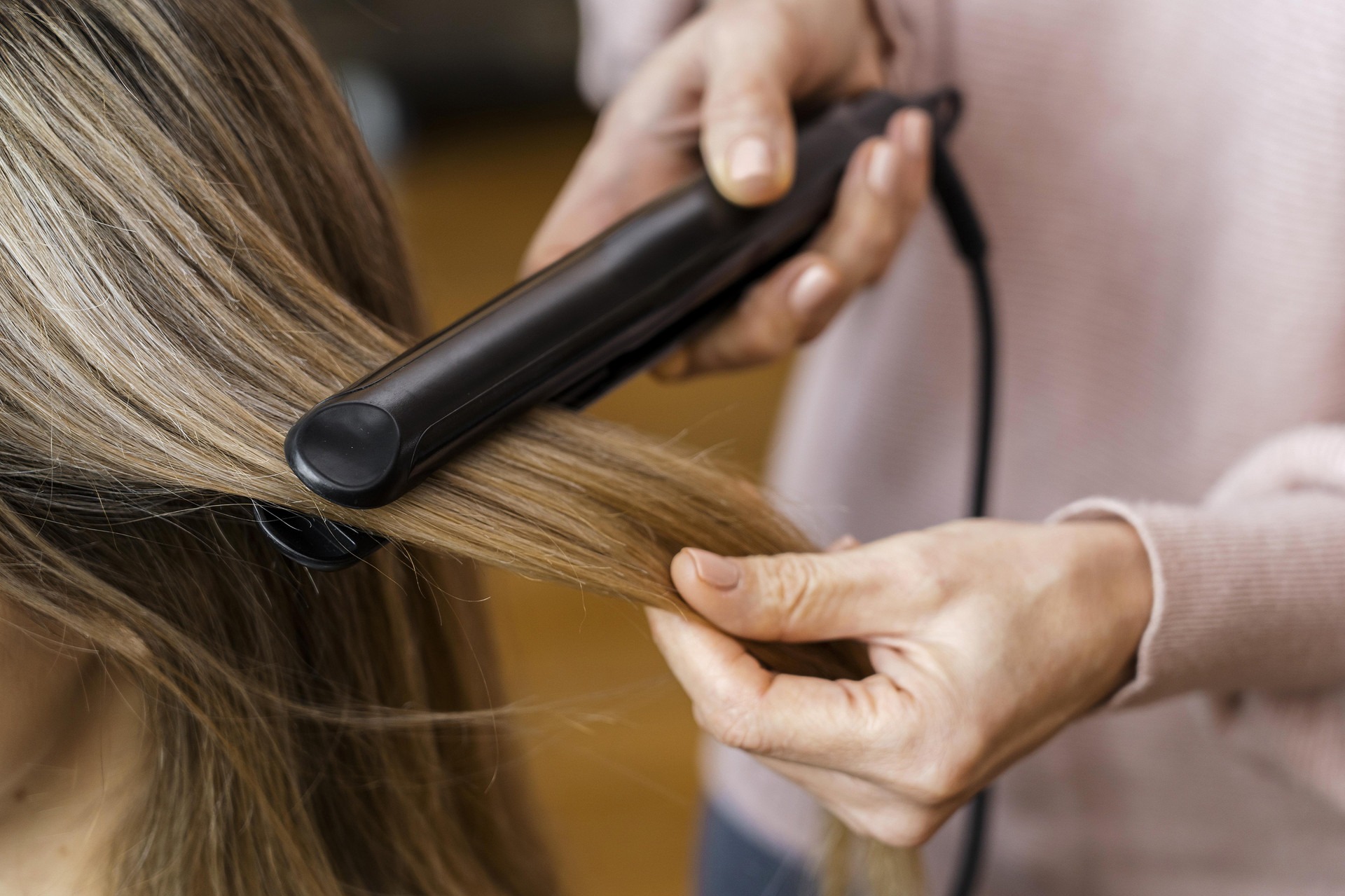
Colorado Governor signed HB26-1135 which prohibits in-state sale and distribution of covered hair products with intentionally added carcinogens or reproductive toxicants effective July 1, 2027.

CIRS Group draws on authoritative regulatory Q&As to comprehensively unpack the end-to-end compliance requirements for children's cosmetics.
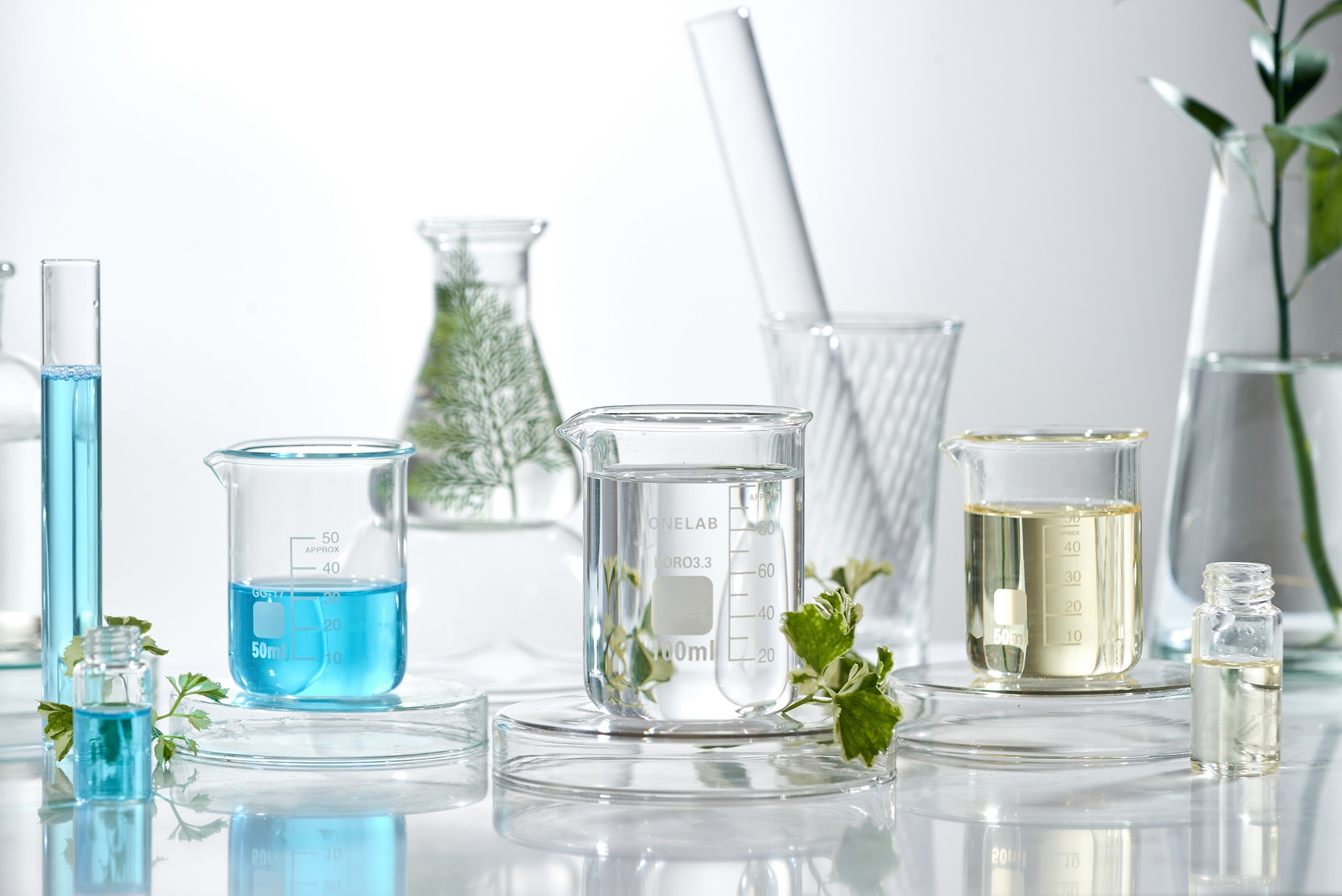
Recently, China's NMPA clarifies the transitional management requirements for the implementation of revisions to the STSC for Cosmetics (2015 Edition).
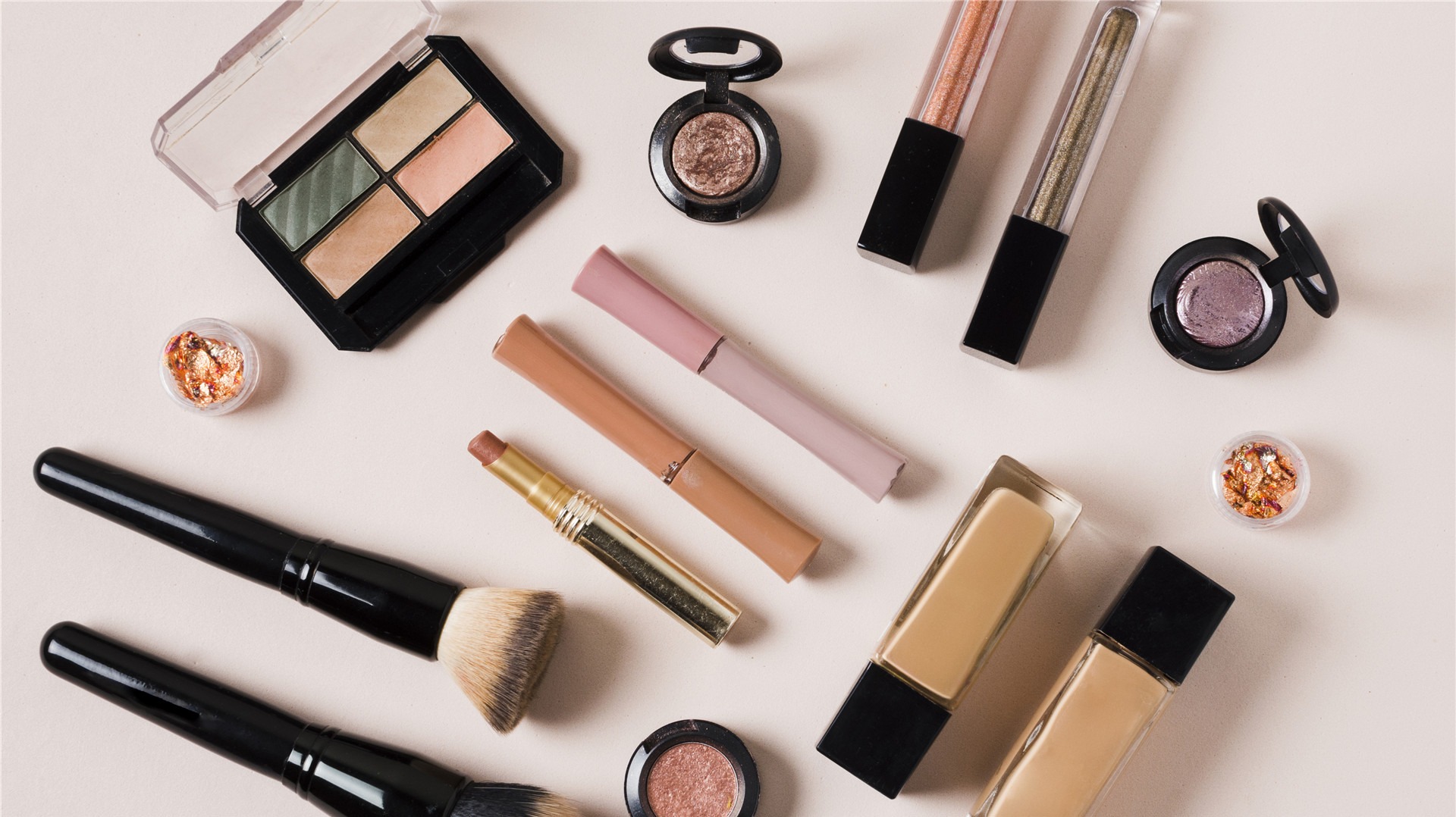
Cosmetic efficacy testing has become an essential step in developing compliant, evidence-based cosmetic products. Whether launching a new skincare product, validating sunscreen SPF claims, or supporting anti-ageing marketing claims, brands increasingly need scientific evidence to demonstrate that their products deliver the benefits promised on the label. Consumers today expect greater transparency from cosmetic brands, while regulators worldwide are placing increasing emphasis on ensuring that cosmetic claims are truthful, substantiated, and supported by appropriate evidence. As a result, cosmetic efficacy testing plays a critical role in product development, regulatory compliance, and successful market access.

Not all cosmetic test reports are created equal: some are rejected by regulators, and some aren’t internationally recognized. Choosing the wrong laboratory can delay your product launch or even block market entry entirely. This article explains the differences between CMA, CNAS, and ISO 17025 accreditation, why they matter for cosmetic testing in China, and how to select the right lab for regulatory compliance.

CIRS Group has compiled the data from China's NMPA and Guangzhou authorities to help enterprises track regulatory trends and mitigate compliance risks.

On May 29, 2026, China's STSC underwent a significant update. To accompany this update, China's NIFDC simultaneously released official supporting Q&As. CIRS Group has compiled and organized the information below for your reference.