
CIRS Group draws on authoritative regulatory Q&As to comprehensively unpack the end-to-end compliance requirements for children's cosmetics.
CIRS Group draws on authoritative regulatory Q&As to comprehensively unpack the end-to-end compliance requirements for children's cosmetics.
Recently, China's NMPA clarifies the transitional management requirements for the implementation of revisions to the STSC for Cosmetics (2015 Edition).

Not all cosmetic test reports are created equal: some are rejected by regulators, and some aren’t internationally recognized. Choosing the wrong laboratory can delay your product launch or even block market entry entirely. This article explains the differences between CMA, CNAS, and ISO 17025 accreditation, why they matter for cosmetic testing in China, and how to select the right lab for regulatory compliance.

CIRS Group has compiled the data from China's NMPA and Guangzhou authorities to help enterprises track regulatory trends and mitigate compliance risks.

On May 29, 2026, China's STSC underwent a significant update. To accompany this update, China's NIFDC simultaneously released official supporting Q&As. CIRS Group has compiled and organized the information below for your reference.
On May 29, 2026, China’s National Medical Products Administration (NMPA) released eight testing methods to be incorporated into the corresponding chapters of the Safety and Technical Standards for Cosmetics (2015 Edition).
In April 2026, China's National Medical Products Administration (NMPA), the Guangdong Provincial Medical Products Administration, and the Sichuan Provincial Medical Products Administration successively issued announcements on cosmetic supervision and sampling inspection. A total of 103 batches of cosmetics were found non-compliant, and 47 batches were detected with prohibited ingredients.
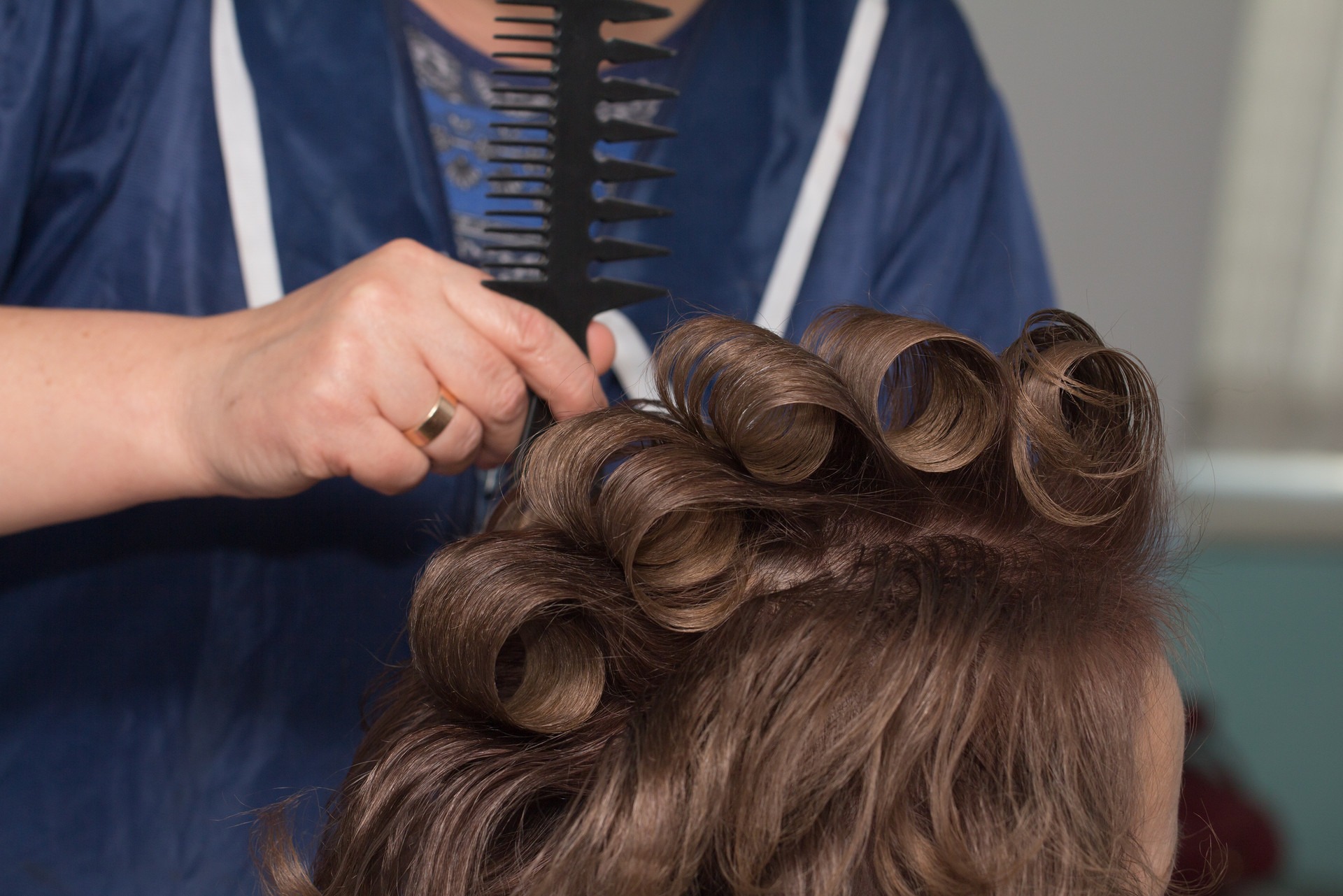
Recently, China NIFDC issued two technical guidelines for hair perming cosmetics. CIRS Group provides an in-depth interpretation covering nine core aspects-offering comprehensive and professional technical support and practical guidance for cosmetics enterprises. Additionally, a detailed comparison between the official versions and the drafts for comments of both guidelines is attached, helping enterprises quickly grasp the key revisions and accurately adapt to the new regulatory requirements.