







SCCS considers Acetophenone safe when present up to a maximum concentration of 0.01% in cosmetics for adults and children from the age of 3 years.
SCCS considers Acetophenone safe when present up to a maximum concentration of 0.01% in cosmetics for adults and children from the age of 3 years.

On October 15, 2026, the EU’s SCCS released its final opinion (SCCS/1688/26) deeming Heliotropin (CAS No. 120-57-0) safe for cosmetic use only up to a 1.8% concentration in adult fine fragrances, following ECHA’s proposed Repr. 1B classification that would otherwise trigger a prohibition under EU cosmetics regulations.

CIRS Group has compiled and summarized the latest global cosmetics regulatory developments in August 2026.
From September 27, 2026, the EU's green-claims Directive (EU) 2024/825 bans unsubstantiated generic and offset-based environmental claims across the board.
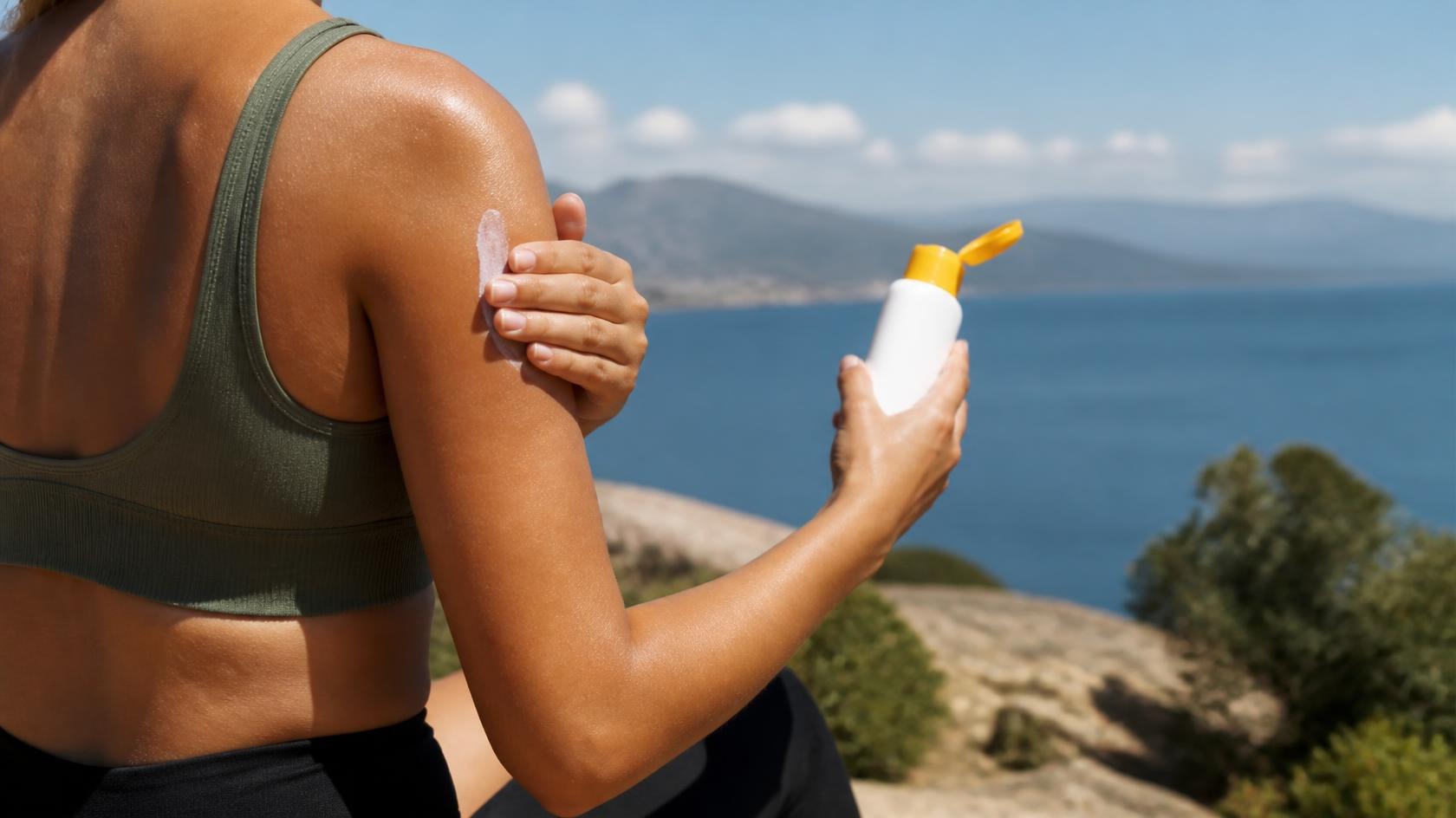
Learn what brands need to know when launching sunscreens in the EU, UK, and China. This practical guide covers sunscreen classification, permitted UV filters, SPF and UVA testing requirements, labeling, and key regulatory differences to help companies plan compliant global sunscreen launches and avoid costly delays.

CIRS Group has compiled and summarised the latest global cosmetic regulatory developments of July 2026.
As global regulatory landscapes evolve, staying ahead of compliance deadlines is critical for beauty and personal care brands. To help companies systematically track regulatory shifts and assess compliance risks in advance, CIRS Group has compiled a comprehensive timeline of upcoming global cosmetic regulations taking effect from August 2026 onward.

CIRS Group has categorized the cosmetic regulations that have already taken effect or been implemented in major global markets as of July 31, 2026 (inclusive), for your reference.

EU plans to amend the EU Cosmetics Regulation, involving Annex II, III and V.

CIRS Group has compiled and summarized the latest global cosmetic regulatory developments of June 2026.