






Based on the regulations of Taiwan, China, CIRS Group summarizes the practical essentials of notification and PIF to help brands achieve compliant market entry.
Based on the regulations of Taiwan, China, CIRS Group summarizes the practical essentials of notification and PIF to help brands achieve compliant market entry.

CIRS Group has compiled sampling inspection data and regulatory developments in August to help enterprises stay abreast of market regulatory trends and identify compliance risks.

South Korea MFDS launched GCORAS as a milestone for global cosmetics safety and K-Beauty competitiveness through international regulatory cooperation.

Indonesia released draft BPJPH Halal Supervisors regulation for public comment by October 27, 2026, covering food, beverage, pharmaceutical and cosmetic sectors.

China's National Center for Adverse Drug Reaction Monitoring issued a guideline to standardize the preparation of adverse reaction self-inspection reports.

South Korea’s National Assembly passed its first cosmetic‑industry‑specific act for full‑value‑chain support and amended the Cosmetics Act to strengthen safety oversight.

China NMPA issued "General Technical Requirements for Cosmetic Product Standards," promoting the standardized, regulated and high-quality development of cosmetics industry.
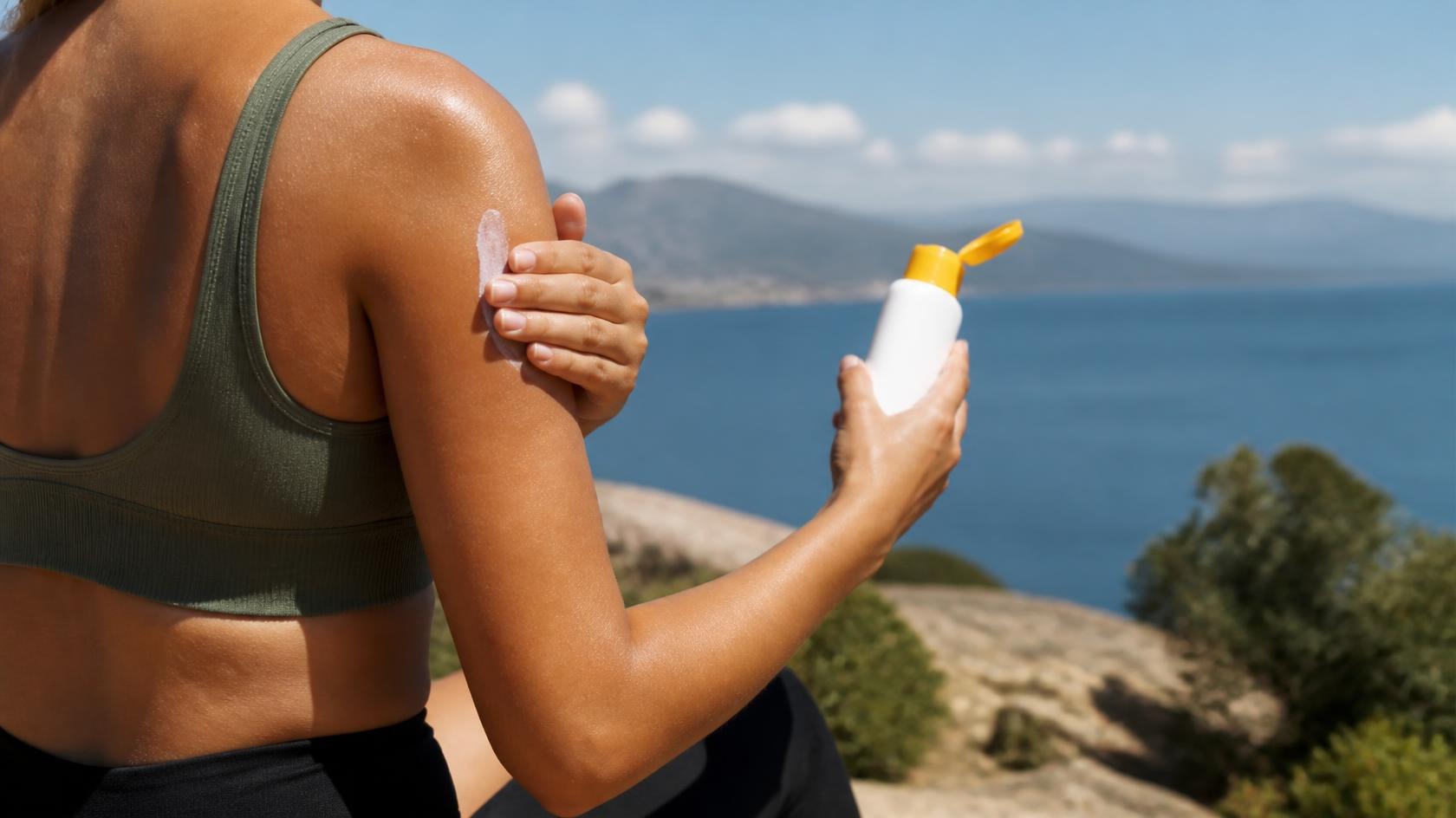
Learn what brands need to know when launching sunscreens in the EU, UK, and China. This practical guide covers sunscreen classification, permitted UV filters, SPF and UVA testing requirements, labeling, and key regulatory differences to help companies plan compliant global sunscreen launches and avoid costly delays.

South Korea’s Ministry of Food and Drug Safety announced draft amendments introducing ISO-aligned in vitro test methods for determining sunscreen SPF and PA, reducing development time and costs compared to human testing. The rules also refine functional cosmetics data exemption criteria based on additives and clarify substantiation standards for UV protection labeling and advertising.

CIRS Group has compiled and summarised the latest global cosmetic regulatory developments of July 2026.