







SCCS considers Acetophenone safe when present up to a maximum concentration of 0.01% in cosmetics for adults and children from the age of 3 years.
SCCS considers Acetophenone safe when present up to a maximum concentration of 0.01% in cosmetics for adults and children from the age of 3 years.

On October 15, 2026, the EU’s SCCS released its final opinion (SCCS/1688/26) deeming Heliotropin (CAS No. 120-57-0) safe for cosmetic use only up to a 1.8% concentration in adult fine fragrances, following ECHA’s proposed Repr. 1B classification that would otherwise trigger a prohibition under EU cosmetics regulations.

On October 8, 2026, China’s NIDC released draft guidelines for public comment through October 25, establishing a standardized framework to classify and evaluate new cosmetic ingredients based on composition, intended use, and safety risks. Cosmetics companies should review pipeline ingredients early to align R&D and ensure regulatory compliance.

CIRS Group has systematically compiled and in-depth analyzed the August 2026 new cosmetic ingredient filing information published by the National Medical Products Administration (NMPA).

UK SAG-CS published seven final safety opinions on cosmetic ingredients, CIRS Group has compiled the conclusions and provided a regulatory interpretation for each ingredient.

On August 19, China's IECIC undergoes fifth dynamic adjustment. This article provides a detailed review of these five adjustments.

In July 2026, 18 new cosmetic ingredients were filed with China's NMPA, marking a 64% year-on-year increase and bringing the year-to-date total to 134. Domestic Chinese entities filed 15 of these ingredients—led by Shanghai, Zhejiang, and Guangdong—while overseas companies in Malaysia and the United States filed the remaining three.
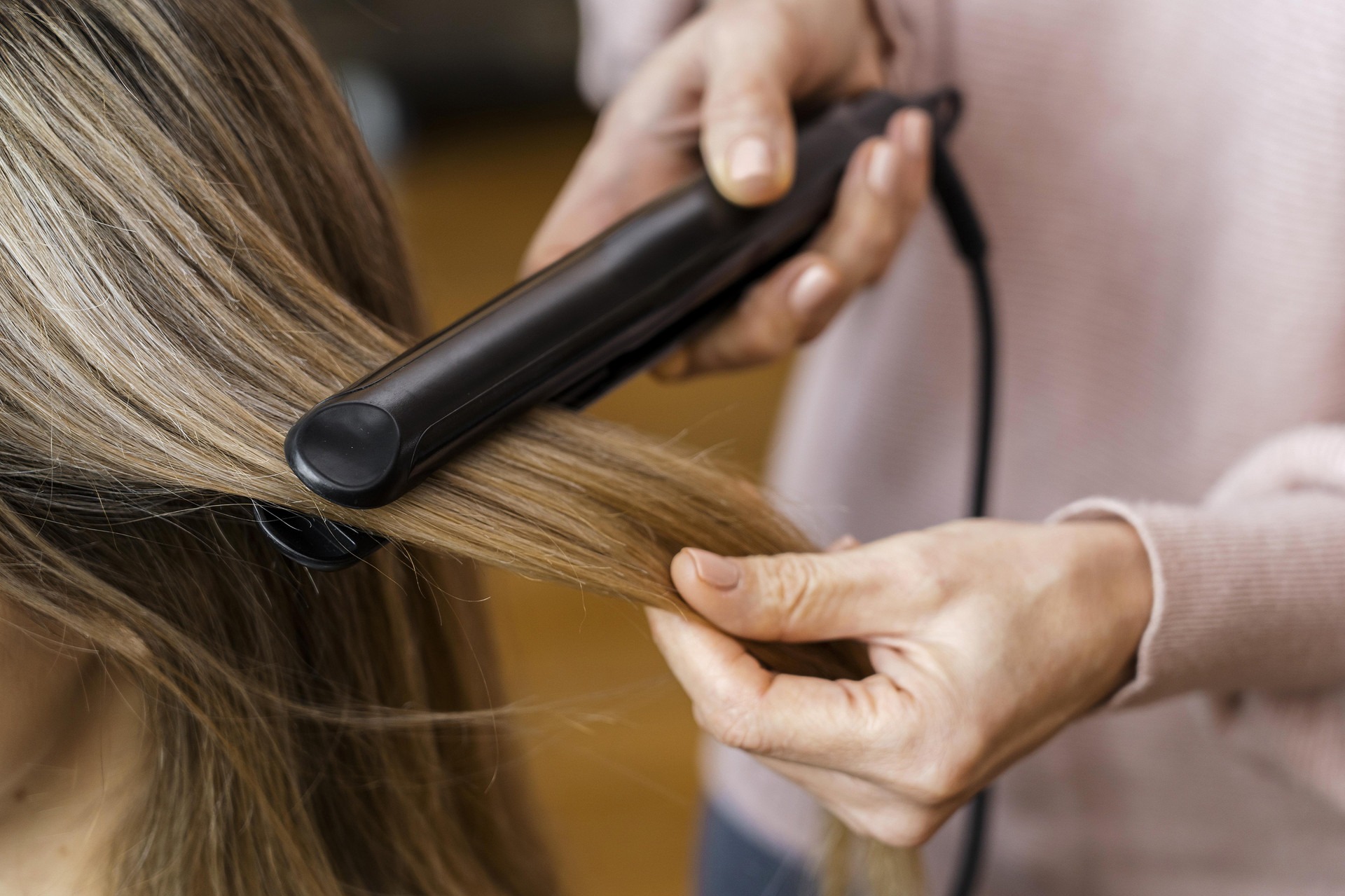
Colorado Governor signed HB26-1135 which prohibits in-state sale and distribution of covered hair products with intentionally added carcinogens or reproductive toxicants effective July 1, 2027.

US FDA marks two major cosmetic rules (banning formaldehyde releasers in hair straighteners and mandating fragrance allergen labeling) for NPRM issuance in 2026.

EU plans to amend the EU Cosmetics Regulation, involving Annex II, III and V.