


Personal and Home Care Products
CIRS Group
Chemicals
Cosmetic
Food
Medical Devices
Agrochemicals
CIRS Testing
Carbon Neutrality
Search
Testing
On November 24, 2025, the Taiwan Food and Drug Administration (TFDA) under the Ministry of Health and Welfare officially issued the testing method for Sudan dyes in cosmetics (Method No. RA03D015.001), which came into effect upon the date of publication.
In Part I of this series, we introduced the evaluation methods for dandruff, sebum levels, and itchiness. In this article (Part II), we focus on the evaluation methods for erythema, papules, pustules, and the overall hair status.
Since the introduction of New Approach Methodologies (NAMs), toxicology experts increasingly use in vitro methods, Threshold of Toxicological Concern (TTC), and computational models to assess safety. Modern computational models, including QSAR, can now predict key endpoints such as acute toxicity, skin/eye irritation, sensitization, chronic toxicity, genotoxicity, carcinogenicity, reproductive toxicity, and toxicokinetics.
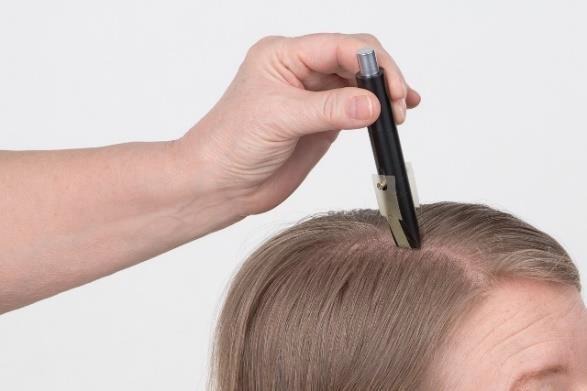
Think of your scalp as an extension of your facial skin—in fact, scalp is the second most sensitive area on your head, just after the eye contour. It's the vital "soil" from which your hair grows, home to more than 100,000 follicles and a rich supply of nerves and blood vessels. Today, with the rising quality of life, people place a greater emphasis on skin care, with (scalp care also encompassed). Since the scalp and hair significantly influence facial and overall aesthetics, the interest in scalp wellness is surging. Consequently, finding effective ways to assess scalp health has become a pressing need.
On July 30, 2025, Brazil enacted a landmark regulation prohibiting the use of animals for testing cosmetics, personal care products, perfumes, and their ingredients.